If you are getting into Japanese walking, it is pretty normal to ask about shoes early. The workout sounds simple, but the fast intervals change things. A casual sneaker that feels fine for a relaxed grocery-store walk can start feeling sloppy once you are pushing the pace for repeated brisk blocks.
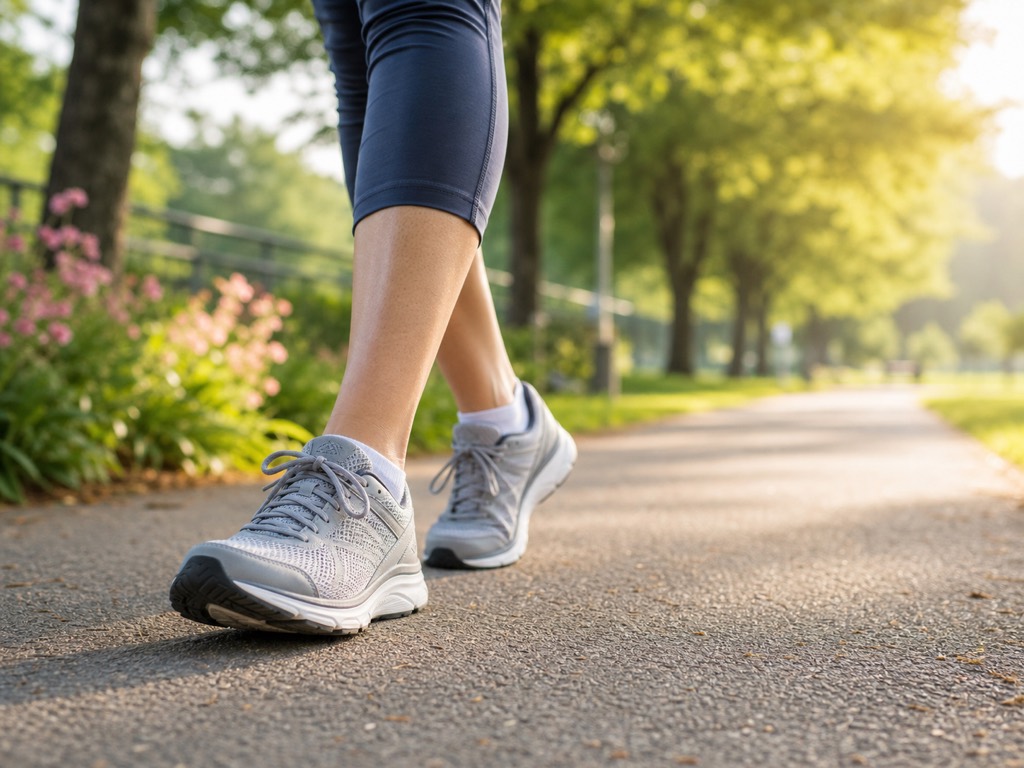
Here is the good news: you do not need a special “Japanese interval walking shoe.” The original interval walking studies focused on the walking protocol itself, not on special footwear. What matters most is that your shoe feels comfortable right away, fits your foot shape, and stays stable when you switch from easy walking to brisk walking several times in one session.
If you want the best shoes for Japanese interval walking, here is what to look for, what to skip, and how to choose a pair that holds up for real-world walking workouts.
Do You Need Special Shoes for Japanese Interval Walking?
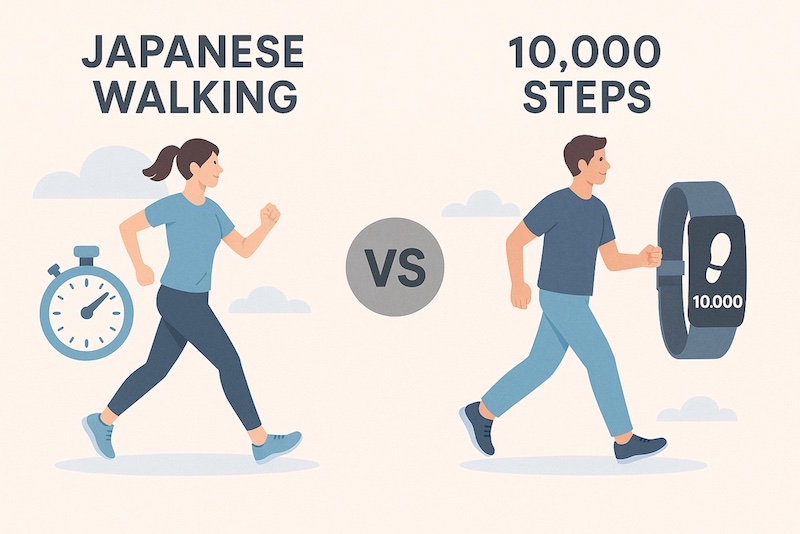
No. Japanese interval walking is still walking, not sprinting or trail running. What changes is the intensity pattern. In the published interval walking research, participants alternated three minutes of easier walking with three minutes of moderate-to-high-intensity walking for at least five rounds, four or more days per week. That repeated change in effort means your shoes need to handle both comfort and control.
So the best shoes for Japanese walking are not “the most expensive shoes” or “the most corrective shoes.” They are the pair that lets you move smoothly through that brisk-easy rhythm without rubbing, toe crowding, heel slip, or that tired brick-on-foot feeling by minute 20.
What Matters Most When Buying Shoes for Japanese Walking
1. Comfort comes first
This is the big one. Major walking-shoe guidance from Harvard Health and Cleveland Clinic both push the same basic idea: a walking shoe should feel comfortable when you try it on, not after some long break-in period. That matters even more for interval walking because discomfort tends to show up faster when you repeatedly speed up.
If a shoe pinches in the store, rubs at the heel, or feels oddly stiff through the forefoot, do not talk yourself into it. For a quick reality check, the Harvard walking shoe guide is refreshingly plainspoken: comfort matters more than chasing a perfect label or fancy gait theory.
2. You need enough room in the toe box
Brisk walking means your foot is rolling forward with more intent than it does on a lazy stroll. If the front of the shoe is cramped, your toes will tell you pretty fast. That can mean hot spots, black toenails on longer walks, or just an annoying “get these things off me” feeling halfway through the session.
A useful rule from Harvard is to leave about a finger’s width between your longest toe and the front of the shoe. That little bit of space matters because feet often swell later in the day and during longer walks. If you are also working through the rhythm in our beginner Japanese walking plan, comfort in the forefoot can be the difference between building the habit and bailing on week one.
3. Moderate cushioning is usually better than extreme cushioning
A lot of people assume more cushion automatically means a better walking shoe. Not always. For Japanese interval walking, you usually want enough cushioning to stay comfortable during the session, but not so much softness that the brisk intervals feel mushy or unstable.
For many walkers, a comfortable shoe with adequate cushioning, low weight, and a smooth ride is a reasonable starting point. You want the shoe to soften impact a bit and still let you feel connected to the ground. If the sole feels so soft or tall that your fast intervals feel wobbly, that pair may not be the best match.
4. Flexibility matters more than people think
Walking has a rolling motion from heel to toe. A shoe that bends naturally at the ball of the foot usually feels better for that pattern than a super-rigid shoe. Harvard specifically recommends checking whether the shoe bends at the ball of the foot, and Cleveland Clinic also notes that walking shoes should be more pliable than many people expect.
That is extra helpful in Japanese interval walking because your fast segments are supposed to be brisk but repeatable, not clunky. A flexible forefoot often makes that push-off feel smoother.
5. Heel security and upper support should feel calm, not aggressive
You do want the heel to feel secure. You do not want the back of the shoe sliding up every time you walk fast. Cleveland Clinic’s advice on features like a stable heel counter and breathable upper is useful here. The trick is not to confuse “secure” with “hard as a rock.” Your foot should feel held in place, not trapped.
If you feel heel slip during a test walk, or if the shoe feels loose through mid-stance when you pick up the pace, keep looking. Because the workout alternates easy and brisk blocks, shoes that feel sloppy or unstable can make the brisk segments less comfortable and less consistent.
If you want another mainstream medical-source checklist before buying, Cleveland Clinic’s advice on finding the best walking shoes does a nice job covering cushioning, flexibility, heel structure, and fit.
Walking Shoes or Running Shoes for Japanese Interval Walking?
Either category may be worth trying, as long as the pair is comfortable, fits well, and feels stable during brisk walking.
The better question is not the label. It is whether the shoe fits the job. For Japanese interval walking, a good shoe usually checks these boxes:
- comfortable from the first try-on
- light enough that brisk intervals do not feel heavy
- flexible enough for a smooth heel-to-toe roll
- secure enough that your heel and midfoot stay put
- roomy enough in the toes for longer walks
If you are still dialing in the workout itself, it helps to first learn the pacing in how often to do Japanese interval walking and then judge shoes by how they feel across a full 30-minute session.
Match the Shoe to Where You Walk
A lightweight walking or running shoe with comfortable cushioning and a smooth ride is a reasonable option for everyday Japanese walking sessions. Whatever surface you use, prioritize comfort, fit, flexibility, and secure heel hold. If you want help staying on the 3-minute fast and 3-minute easy rhythm, the built-in timer at our Japanese Interval Walking Timer can help.
If you have sensitive feet or mild foot pain, go a little more conservative. Look for soft but not squishy cushioning, a roomy toe box, and no obvious pressure points. Shoes are not a cure-all, though, so avoid assuming one pair will solve ongoing foot pain by itself.
Red Flags When Shopping
Skip the pair if any of these show up during a short test walk:
- your heel slips up and down
- your toes feel boxed in
- the forefoot will not bend naturally
- the shoe feels weirdly heavy during brisk walking
- you notice rubbing within a few minutes
- you are buying it because someone said it “fixes pronation” even though it does not feel good on your foot
That last point matters. Footwear research and medical guidance do not support the idea that every healthy walker needs a highly corrective shoe matched to pronation. For many people, a neutral, comfortable shoe is a perfectly sensible place to start.
When Should You Replace Your Japanese Walking Shoes?
There is no exact expiration date for walking shoes. For someone doing Japanese interval walking several times per week, wear can still sneak up on you faster than expected, so comfort and visible breakdown matter.
Practical signs matter more than the calendar:
- the midsole feels flatter and less lively
- your legs or feet feel more beat up after the same route
- the outsole is clearly worn down in one area
- the heel feels less secure than it used to
- new rubbing starts in a pair that used to feel fine
If your fast intervals suddenly start feeling rough for no obvious reason, worn-out shoes are a fair suspect.
Bottom Line: What Are the Best Shoes for Japanese Interval Walking?
The best shoes for Japanese interval walking are the ones that feel comfortable immediately, fit your foot shape, bend naturally, and stay secure when you shift from easy walking to brisk walking. In practice, that often means a lightweight walking shoe or running shoe with comfortable cushioning, a roomy toe box, and a stable heel.
Pick a pair that feels good on your foot, test it with a real brisk walk, and let the training do its job. If you can hold your rhythm, recover cleanly in the easy blocks, and finish 30 minutes without your shoes annoying you, you are probably in the right pair.